Expanded curbs on the use of “forever chemicals” in Maine could saddle manufacturers with higher costs and compliance burdens, according to the head of a statewide trade organization.
Maine’s five-year-old ban on the sale of products containing toxic PFAS chemicals was recently extended to several additional product categories.
The substances, often referred to as forever chemicals because they don’t break down in the environment or the human body, have been linked to increased risk of certain cancers and other ailments.
As of Jan. 1, the ban also applies to cleaning products, textiles, upholstered furniture and several other categories. Cosmetic products, dental floss, juvenile products and ski products have also been added to the banned list.
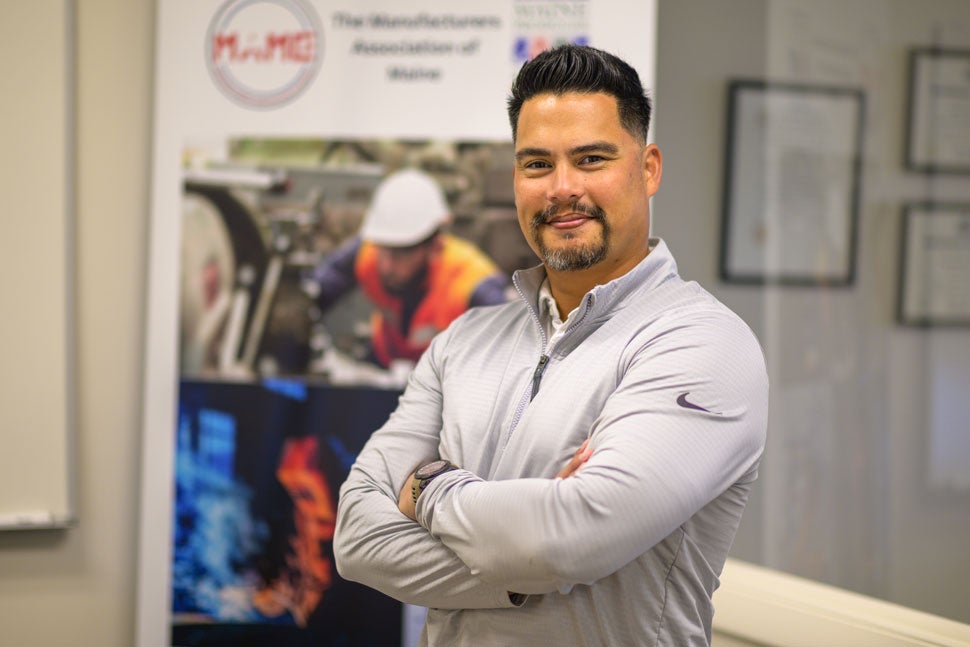
John Lewis, executive director of the Manufacturers Association of Maine, told Mainebiz that the impact of the new rules will vary by manufacturer, depending on their products and production process.
“For some, compliance may involve additional testing, reporting or pursuing ‘currently unavoidable use’ exemptions,” he noted. “For others, it could require significant investment in reformulating products, sourcing alternative materials, or modifying production processes.”
Lewis took the helm of the Augusta-based trade group last June, succeeding Mike Roughton.
Days after the new restrictions took effect, Lewis said that Maine manufacturers understand the importance of addressing PFAS responsibly and based on sound science.
“At the same time, Maine is already a difficult and costly place to do business, with higher-than-average energy costs, transportation challenges and a limited labor pool,” he said. “New regulatory requirements, particularly those that move faster or further than other states, add another layer of complexity and cost.”
Predictability, flexibility, time
Looking ahead, Lewis said Maine manufacturers need predictability, flexibility and time.
“Clear guidance, reasonable timelines and recognition of practical limitations will be critical to achieving environmental goals without unintentionally putting Maine manufacturers at a competitive disadvantage or pushing production elsewhere,” he said.
‘Opportunity to invest’
Defend Our Health, a Portland-based advocacy group, will work with partners and volunteers to identify PFAS-contaminated products in Maine and push retailers to stop selling PFAS-containing items nationwide, Executive Director Emily Carey Perez de Alejo said.
She said that Maine’s expanded ban represents not just a cost for manufacturers but also an opportunity to invest in innovation, produce safer goods and gain national market share with PFAS-free products as other states follow Maine’s lead and phase out the toxic substances.
“While there is always a cost for businesses to change practices, the costs of moving away from PFAS and toward safer materials should be viewed as a money-making investment in the future, not as a penalty or harm,” she told Mainebiz. “Without this critical investment, Maine’s businesses would be at risk of falling behind as the international economy moves away from these toxic materials and toward clean chemistry solutions and new approaches.”
She also predicts that Maine is poised to improve the safety and health of consumer goods at home and around the world.