Processing Your Payment
Please do not leave this page until complete. This can take a few moments.
Tourism & Recreation
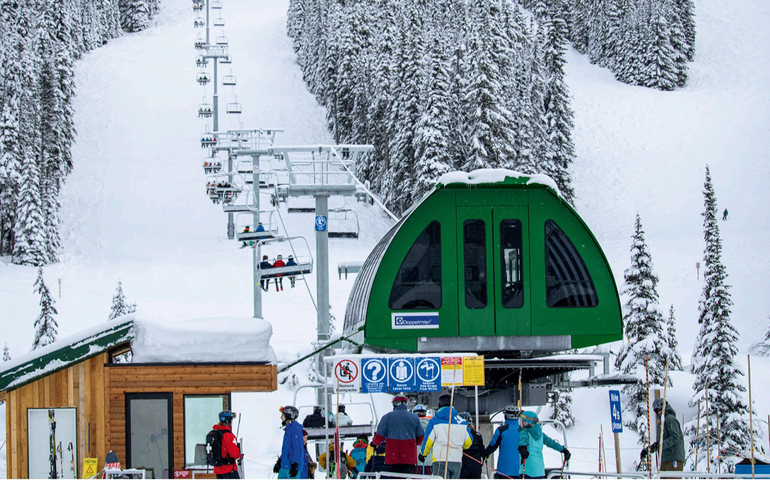
Feds award $2.5M to BigRock Mountain for new chairlift
The existing lift is over 50 years old. The new lift will feature technology such as a touchscreen interface that eases system operations and maintenance.
-
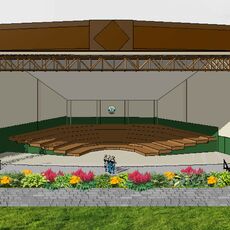
Bowl in the Pines amphitheater renovation gets $475K USDA loan
June 25, 2020The historic amphitheater at the Snow Pond Center for the Arts, in Sidney, will seat up to 6,800 after renovations and have the infrastructure to draw larger, more diverse acts to the Augusta-Waterville area.
June 25, 2020
Businesses in popular tourist destination strategize to survive Bar Harbor bust
Updated: June 29, 2020In Bar Harbor, much of the economy is driven by visits to nearby Acadia National Park, cruise ship calls and other tourism. But with this season wiped out by the coronavirus crisis, some businesses are wondering if they'll survive to see the next
Updated: June 29, 2020
The outsiders: Startups in Maine’s $3B outdoor recreation industry are long-term bullish
Updated: June 29, 2020Despite the pandemic, the industry is big and getting bigger, partly driven by entrepreneurs with an appreciation of Maine's great outdoors and who aren't afraid to go off the beaten path.
Updated: June 29, 2020
INNside out: Looking to salvage their season, these inns are dining outdoors
Updated: June 29, 2020When the COVID-19 crisis turned the hospitality industry upside-down, these two historic establishments made use of overlooked spaces just steps from the front doors.
Updated: June 29, 2020Biz Money: Pandemic’s effect on economy being felt in different ways
Updated: June 29, 2020The initial wave of the pandemic could have ripple effects on Maine's economy. The drop in hotel business is expected to greatly reduce state and local tax revenue, and fewer students on campus at Bowdoin College may affect Brunswick's economy.
Updated: June 29, 2020From the Editor: With 2020 tourism season slipping away, industry shows its resilience
Updated: June 29, 2020Maine’s $6.9 billion tourism industry is seeing its key season slip away. Restaurant and hotel restrictions and quarantines on visitors are forcing some businesses to close and others to hang on with CARES Act funds or even GoFundMe appeals.
Updated: June 29, 2020
One Longfellow Square raises over $100K to stay open, but future uncertain
Updated: June 24, 2020In just nine days, One Longfellow Square exceeded its fundraising goal of $100,000 to help pay its bills and remain open until the middle of 2021. However, challenges still loom ahead.
Updated: June 24, 2020
Maine tourism industry ratchets up pressure on state; indoor seating for bars delayed
June 23, 2020As tourism industry representatives and owners from York county to Bar Harbor push the state to lift quarantine and testing restrictions on overnight visitors, the state's bars will have to wait before customers can drink indoors.
June 23, 2020Maine may lose $66M in tax revenue because of COVID-19's impact on hotels
June 22, 2020The analysis shows the sharp drop in travel caused by the pandemic will drastically reduce tax revenues associated with hotels, including lodging, sales, gaming and income taxes.
June 22, 2020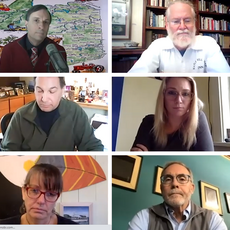
Constant push forward is key to salvaging tourist industry for 2021, tourism official says
June 19, 2020Maine's tourist industry isn't talking about profits anymore this year. "Today it's about the survival of businesses," Tony Cameron, CEO of the Maine Tourism Association said Wednesday.
June 19, 2020Portland's Hadlock Field, Harvard Pilgrim tee up for golf in the ballpark
June 19, 2020For four days in July, golfers will be able to practice their swings in a temporary course at Portland's Hadlock Field, providing another revenue stream for the home of the Sea Dogs while baseball remains quiet.
June 19, 2020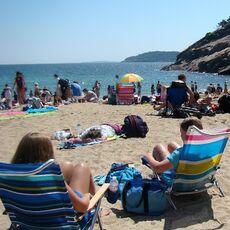
Bill backed by King, Collins and considered vital to recreation economy passes U.S. Senate
June 18, 2020The Great American Outdoors Act, which still must be approved by the House of Representatives, funnels billions into national parks maintenance and fully funds the Land and Water Conservation Fund.
June 18, 2020
In Bar Harbor, a candy-making institution struggles through the pandemic
Updated: June 17, 2020Every summer, Ben & Bill's Chocolate Emporium is packed with customers eager to buy a Willy Wonka-level array of homemade candies and ice cream. This year is dismal. Co-founder Bill Coggins has launched a GoFundMe campaign to keep going.
Updated: June 17, 2020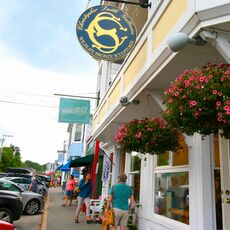
On MDI, summer residents rally to help local businesses with $800K boost
Updated: June 16, 2020When the pandemic began to threaten the local economy of Mount Desert Island, a group of summer residents joined with neighbors and the community to provide grants to businesses in need.
Updated: June 16, 2020
$800M plan to rescue Maine's tourism industry is up to Legislature, Mills
June 15, 2020The plan was unveiled Friday by tourist industry groups to help the $7 billion sector recover from COVID-19 shutdowns, and the groups hope to pay for the plan with the state's share of CARES Act money.
June 15, 2020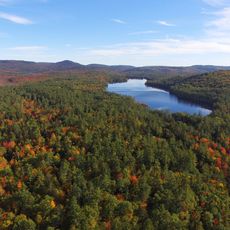
Conservation Fund acquires 15,000 acres of western Maine timberland
June 15, 2020The Conservation Fund, an environmental nonprofit, acquired 15,408 acres of western Maine timberland from Chadbourne Tree Farms LLC, and plans to conserve the forest for purposes including the region's outdoor recreation economy.
June 15, 2020
Most Recent