
Denise McDonough, President of Anthem Blue Cross and Blue Shield in Maine
Please do not leave this page until complete. This can take a few moments.

Mainers are facing unprecedented economic challenges. No one has been spared from higher grocery bills, increased housing and utility costs. Combined with escalating healthcare expenses, families are making difficult choices. Too many Maine people are delaying or skipping care because of cost concerns – a trend that affects community health, workforce productivity, and the local economy. It’s time to address the healthcare affordability challenge head on.
The first step in solving Maine’s affordability crisis is understanding what drives it. Several factors are pushing costs higher:
These pressures are being felt across Maine’s communities – from Kittery to Madawaska – and they directly affect the affordability of care for families and employers alike.
Solving the affordability crisis requires collaboration across the healthcare system. Insurers, hospitals, healthcare providers, pharmaceutical companies, lawmakers, and individuals all have a role to play.
Healthcare providers must focus on value, not volume – emphasizing positive health outcomes over the number of procedures performed. Lawmakers must consider the long-term affordability implications of proposed legislation. And individuals can take an active role in managing their care by understanding their coverage, using cost-comparison tools, and taking advantage of programs that promote prevention and well-being.
At Anthem Blue Cross and Blue Shield, affordability is at the heart of our mission to improve health outcomes and strengthen Maine’s economy. Rising costs ripple through businesses and communities, reducing productivity and well-being. That’s why we’re committed to solutions that go beyond traditional cost controls.
One of the most visible examples is our work negotiating fair and sustainable contracts with Maine’s largest healthcare systems. Over the past two years, Anthem reached new agreements with both Northern Light Health and MaineHealth – hard-fought negotiations that ensured employers and members weren’t overburdened by rapidly rising hospital costs. In each case, we stood firm for affordability. These efforts underscore our commitment to keeping healthcare accessible and financially sustainable for Mainers.
Beyond these contracts, we are:
Our strategy combines proven tools with innovative thinking – expanding access to high-quality care, simplifying benefits, and addressing the full spectrum of health, including behavioral and social drivers.
Historically, health plans focused mainly on paying for care and managing costs. Today, we understand that health is shaped by much more – housing, nutrition, behavioral health, and other social factors.
By working together – insurers, providers, policymakers, and patients — we can build a more affordable, accessible, and effective healthcare system for every family in Maine.
Learn more about our efforts at anthem.com/affordabilityinmaine
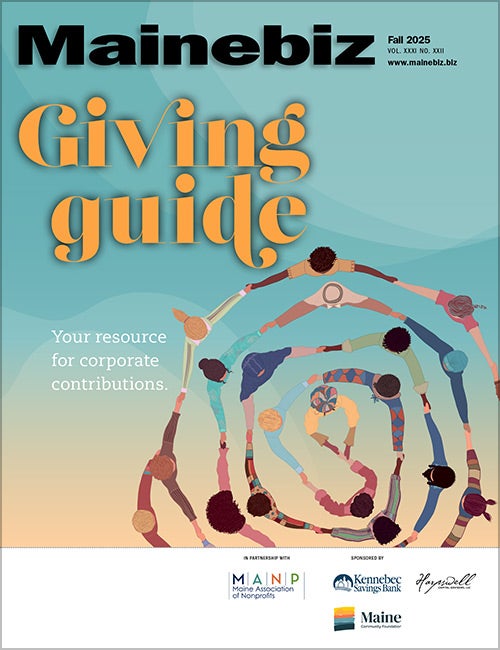
The Giving Guide helps nonprofits have the opportunity to showcase and differentiate their organizations so that businesses better understand how they can contribute to a nonprofit’s mission and work.
Learn More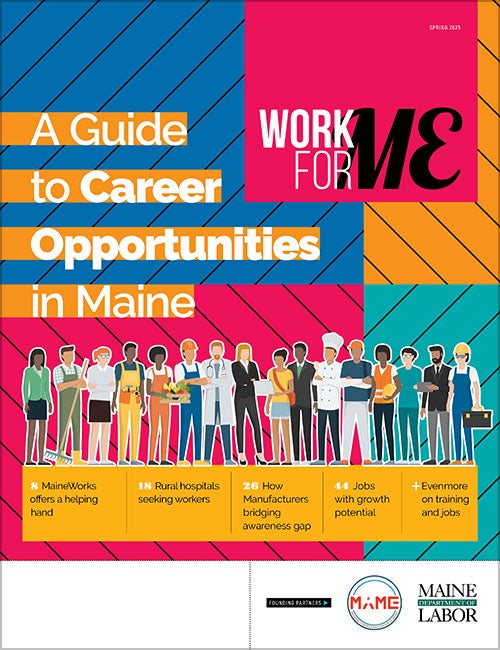
Work for ME is a workforce development tool to help Maine’s employers target Maine’s emerging workforce. Work for ME highlights each industry, its impact on Maine’s economy, the jobs available to entry-level workers, the training and education needed to get a career started.
Learn More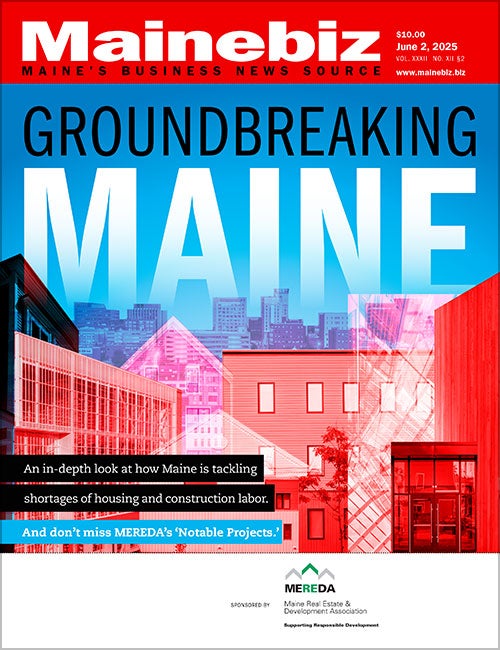
Whether you’re a developer, financer, architect, or industry enthusiast, Groundbreaking Maine is crafted to be your go-to source for valuable insights in Maine’s real estate and construction community.
Learn moreThe Giving Guide helps nonprofits have the opportunity to showcase and differentiate their organizations so that businesses better understand how they can contribute to a nonprofit’s mission and work.
Work for ME is a workforce development tool to help Maine’s employers target Maine’s emerging workforce. Work for ME highlights each industry, its impact on Maine’s economy, the jobs available to entry-level workers, the training and education needed to get a career started.
Whether you’re a developer, financer, architect, or industry enthusiast, Groundbreaking Maine is crafted to be your go-to source for valuable insights in Maine’s real estate and construction community.
In order to use this feature, we need some information from you. You can also login or register for a free account.
By clicking submit you are agreeing to our cookie usage and Privacy Policy
Already have an account? Login
Already have an account? Login
Want to create an account? Register
In order to use this feature, we need some information from you. You can also login or register for a free account.
By clicking submit you are agreeing to our cookie usage and Privacy Policy
Already have an account? Login
Already have an account? Login
Want to create an account? Register
This website uses cookies to ensure you get the best experience on our website. Our privacy policy
To ensure the best experience on our website, articles cannot be read without allowing cookies. Please allow cookies to continue reading. Our privacy policy