
Processing Your Payment
Please do not leave this page until complete. This can take a few moments.
- News
-
Editions
View Digital Editions
Biweekly Issues
- December 15, 2025
- December 1, 2025
- Nov. 17, 2025
- November 03, 2025
- October 20, 2025
- October 6, 2025
- + More
Special Editions
- Lists
- Viewpoints
-
Our Events
Event Info
Award Honorees
- Calendar
- Biz Marketplace
Sponsored by: TD Bank
Updated: November 30, 2025
Smart, Simple Ways to Help Safeguard Your Business from Cybercrime

Whether you’re running a large company or building your first small business, one thing holds true: cybercriminals don’t discriminate. With the rise in digital transactions every business faces potential risks online. The good news? A few common-sense practices can go a long way toward protecting your business and your bottom line.
Start with your people
The first line of defense is often your team.
• Vet and educate. Conduct background checks for all new hires and contractors and make cybersecurity awareness a routine part of training. Employees should know how to recognize red flags like unexpected links or attachments and understand that banks will never email or text requesting account updates.
• Build a “human firewall.” Encourage a workplace culture where employees feel empowered to report anything suspicious. Cybercriminals are constantly evolving their tactics, so keeping your team informed is key.
• Strengthen internal processes. Put clear checks and balances in place, no single person should be responsible for both initiating and approving transactions. Set authorization limits and require verification for major payments or account changes.
• Verify directly. For any financial or account updates, skip the email confirmation. Call vendors or clients directly using a known number or handle changes in person to ensure legitimacy.
Leverage your bank’s security tools
Even in the digital world, check fraud remains a common threat. Each check carries sensitive account details that criminals can exploit. Moving toward electronic payments can reduce risk, but the safest approach combines digital tools with diligent monitoring.
Here are a few banking safeguards worth exploring:
• Check Positive Pay. This service cross-checks checks presented for payment against your own records, flagging anything that doesn’t match.
• ACH protections. Tools like ACH Positive Pay, ACH Filters, and ACH Blocks can help ensure only authorized transactions are processed and prevent unauthorized withdrawals.
• Universal Payment Identification Code (UPIC). This electronic identifier allows you to receive ACH payments without exposing your real bank account information, adding an extra layer of protection.
• Dedicated payroll accounts. Keeping payroll separate from other business funds helps limit exposure. Sign up for alerts and review account activity daily to spot irregularities early.
Make cybersecurity a habit
You don’t need to be a tech expert to take meaningful action. Consistent, practical steps like reviewing your controls regularly and reinforcing good digital habits can make all the difference. A few minutes spent tightening processes today can help save time, money, and stress tomorrow.
Protecting your business doesn’t have to be complicated, it just takes awareness, diligence, and the right tools.
For more tips, resources, and small business support, visit td.com/us/en/small-business/resource-center
For more information: We hope you found this helpful. This article is based on information available in November 2025 and is subject to change. It is provided as a convenience and for general information purposes only. Our content is not intended to provide legal, tax, investment, or financial advice or to indicate that a particular TD Bank or third-party product or service is available or right for you. For specific advice about your unique circumstances, consider talking with a qualified professional.
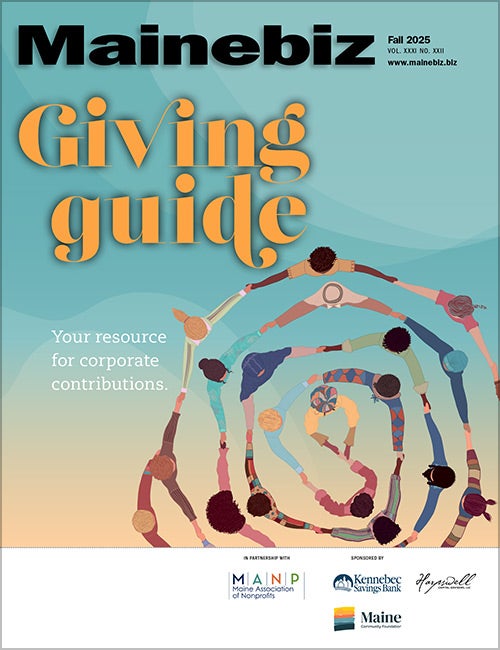
The Giving Guide
The Giving Guide helps nonprofits have the opportunity to showcase and differentiate their organizations so that businesses better understand how they can contribute to a nonprofit’s mission and work.
Learn More
Work for ME
Work for ME is a workforce development tool to help Maine’s employers target Maine’s emerging workforce. Work for ME highlights each industry, its impact on Maine’s economy, the jobs available to entry-level workers, the training and education needed to get a career started.
Learn More
Groundbreaking Maine
Whether you’re a developer, financer, architect, or industry enthusiast, Groundbreaking Maine is crafted to be your go-to source for valuable insights in Maine’s real estate and construction community.
Learn more-
The Giving Guide
The Giving Guide helps nonprofits have the opportunity to showcase and differentiate their organizations so that businesses better understand how they can contribute to a nonprofit’s mission and work.
-
Work for ME
Work for ME is a workforce development tool to help Maine’s employers target Maine’s emerging workforce. Work for ME highlights each industry, its impact on Maine’s economy, the jobs available to entry-level workers, the training and education needed to get a career started.
-
Groundbreaking Maine
Whether you’re a developer, financer, architect, or industry enthusiast, Groundbreaking Maine is crafted to be your go-to source for valuable insights in Maine’s real estate and construction community.
ABOUT
NEW ENGLAND BUSINESS MEDIA SITES
No articles left
Get access now
In order to use this feature, we need some information from you. You can also login or register for a free account.
By clicking submit you are agreeing to our cookie usage and Privacy Policy
Already have an account? Login
Already have an account? Login
Want to create an account? Register
Get access now
In order to use this feature, we need some information from you. You can also login or register for a free account.
By clicking submit you are agreeing to our cookie usage and Privacy Policy
Already have an account? Login
Already have an account? Login
Want to create an account? Register