
Courtesy / Unum
Marco Forato, Unum
Please do not leave this page until complete. This can take a few moments.
In an era where industries are being reshaped by technology, shifting workforce needs and economic uncertainty, strategic alignment has never been more critical in driving business growth.
As chief strategy officer at Unum Group, I’ve learned how legacy companies can evolve into agile, purpose-driven organizations.
Here are some tips I’ve learned along the way that may help you in building a strong business strategy for your company’s future.
Strategy isn’t just about reacting to change — it’s about anticipating it and positioning your organization to thrive.
A clear vision acts as your North Star, guiding decisions and aligning teams around a common purpose. It should answer two critical questions: Where are we going, and why does it matter?
When leaders articulate a compelling vision, they create focus, inspire confidence and enable agility in the face of uncertainty.
Digital tools are no longer just operational upgrades; they’re strategic enablers that transform how businesses deliver value. From automating processes to enhancing customer experiences and unlocking data-driven insights, technology is reshaping every industry.
For Maine businesses, the takeaway is clear: investing in tech isn’t optional, it’s the foundation for growth, resilience and competitiveness in a rapidly changing market.
In today’s dynamic market, businesses must meet customers where they are. Diversification isn’t just risk management; it’s a proactive way to stay relevant and competitive.
For insurers, that might mean expanding into voluntary benefits or workforce solutions. For other industries, it could involve adding complementary offerings, bundling services, or creating new experiences that address evolving customer needs.
At its core, diversification is about delivering more value and strengthening relationships. This customer-first approach is something any business can adopt.
Growth isn’t just about doing more; it’s about doing what matters most. A great strategy is as much about what you will do as it is about what you will not do. It is about making choices.
Companies that regularly evaluate their offerings and align resources with their core strengths are better positioned to thrive. Whether that means expanding into new areas or streamlining existing ones, the goal is the same: build capabilities that support your long-term vision.
For Maine businesses, this disciplined approach to portfolio management can help ensure every investment drives meaningful impact.
Purpose and people are the foundation of strategy, but success starts with ensuring everyone understands the vision, the strategy, and the role they play in moving it forward. Clear communication creates alignment and empowers employees to act with confidence.
At Unum, we know that people are our most important asset, and investing in them is essential for long-term success. When leaders prioritize development, engagement and well-being, they unlock the full potential of their teams.
Purpose isn’t just a statement; it’s a driver of performance. When values guide decisions and employees feel connected to the mission, they bring their best every day. That alignment turns culture into a true competitive advantage.
This approach to strategic transformation offers a roadmap for businesses of all sizes. By staying focused, embracing innovation and leading with purpose, companies can not only weather change — they can shape it.
Marco Forato is chief strategy officer at Unum Group, which has a Portland office.
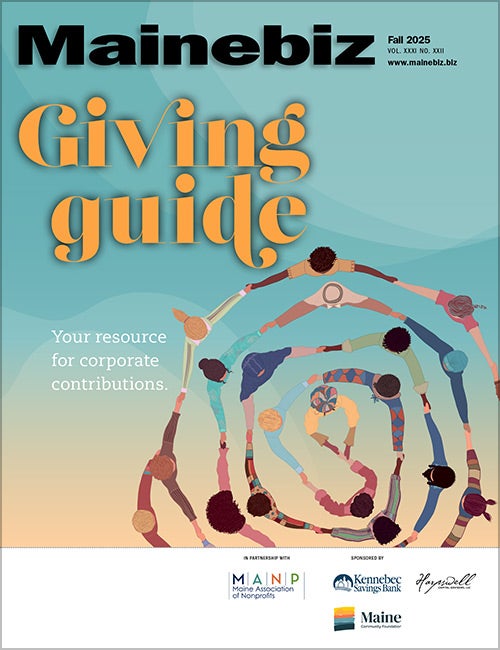
The Giving Guide helps nonprofits have the opportunity to showcase and differentiate their organizations so that businesses better understand how they can contribute to a nonprofit’s mission and work.
Learn More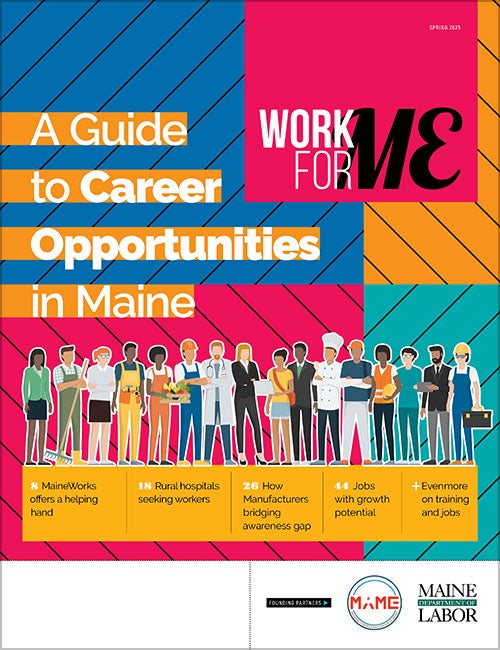
Work for ME is a workforce development tool to help Maine’s employers target Maine’s emerging workforce. Work for ME highlights each industry, its impact on Maine’s economy, the jobs available to entry-level workers, the training and education needed to get a career started.
Learn More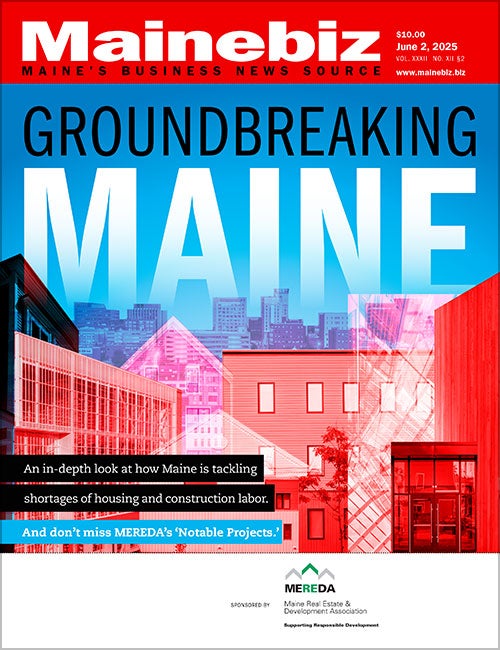
Whether you’re a developer, financer, architect, or industry enthusiast, Groundbreaking Maine is crafted to be your go-to source for valuable insights in Maine’s real estate and construction community.
Learn moreThe Giving Guide helps nonprofits have the opportunity to showcase and differentiate their organizations so that businesses better understand how they can contribute to a nonprofit’s mission and work.
Work for ME is a workforce development tool to help Maine’s employers target Maine’s emerging workforce. Work for ME highlights each industry, its impact on Maine’s economy, the jobs available to entry-level workers, the training and education needed to get a career started.
Whether you’re a developer, financer, architect, or industry enthusiast, Groundbreaking Maine is crafted to be your go-to source for valuable insights in Maine’s real estate and construction community.
In order to use this feature, we need some information from you. You can also login or register for a free account.
By clicking submit you are agreeing to our cookie usage and Privacy Policy
Already have an account? Login
Already have an account? Login
Want to create an account? Register
In order to use this feature, we need some information from you. You can also login or register for a free account.
By clicking submit you are agreeing to our cookie usage and Privacy Policy
Already have an account? Login
Already have an account? Login
Want to create an account? Register
This website uses cookies to ensure you get the best experience on our website. Our privacy policy
To ensure the best experience on our website, articles cannot be read without allowing cookies. Please allow cookies to continue reading. Our privacy policy










0 Comments