
Photo / Tim Greenway
Nancy Marshall
Please do not leave this page until complete. This can take a few moments.
In a rapidly evolving world of artificial — and human — intelligence, it’s right to ask questions about the years ahead. What will the world actually look like in 2026 and beyond?
This is especially true in industries like public relations and marketing. PR professionals often ask themselves: Is this job still relevant? Do press releases still matter? Are they even useful in the AI age?
For years, we have heard that press releases don’t really matter anymore, since journalists don’t need them and the general public doesn’t read them — or even news stories. But that’s not true.
While news consumption has changed due to social media, most Americans are still avid news consumers, whether it means a CNN story or a TikTok video. And they still rely on journalism to deliver the news, which in turn relies on people in my industry to help out.
One of our tools is the press release, which provides information about company announcements, hirings, firings, new polling data and much more. Here are some ways to use this important tool.
Provide information of value
Because of Google Gemini and other large language models, or LLMs, AI is constantly scouring the web for useful information about countless topics.
It never stops “reading,” and it needs to read written content to provide responses to user queries, whether it’s about a famous athlete or the latest Apple product. According to recent research, the majority of links cited by AI amount to unpaid news coverage — we call it “earned media” — with about 25% of citations coming from journalistic sources.
In other words, content is still king, and PR professionals need to provide journalists with useful, actionable information about topics that matter to them. The more valuable content we can provide to media contacts, the more likely they are to use it — and for AI to end up reading it, too.
Don’t forget newswires
While one destination for a press release is a media contact directly (such as a reporter or editor), AI can still read and regurgitate information that isn’t reported. For better and worse, LLMs often pick up newswires that are distributed by PR agencies or clients themselves (these are examples of “paid media”) for usable information.
While newswire-based press releases cost money, they do offer return on investment because of the new AI audience. Such content often fell on deaf ears in the past, but LLMs are willing readers who will consider newswires in their query responses.
In AI’s eyes (ears?), newswires are still authoritative, even if a journalist never ended up using them for traditional press coverage.
Think strategically
Too often, I advise clients to put out press releases strategically. Thought needs to go into the overarching goal, the content itself and who might care (other than AI). Press releases aren’t supposed to be sent every day; they should be reserved for important moments in time.
They need to be newsworthy, that is, based on actual news hooks. It might be a new CEO hiring or a new survey that came out, but the point is that press releases should deliver actual “news” to consumers.
Fluff is a no-no. Corporate jargon is a no-no. Self-promotion may be tempting, but it needs to be tempered. No editor wants to read a press release that is seamlessly congratulatory or sales-driven — and I definitely don’t!
However, press releases are sent deliberately to target audiences, they can be indispensable in promoting thought leadership, establishing online authority and strengthening brand — for influencers, companies and nonprofit organizations alike.
Because LLMs prefer new content that is published within the last year, this is an opportunity for press releases to fill a need.
If you’re working in PR or marketing, now is the time to seize that opportunity. Thanks to AI, press releases have a second life.
Nancy Marshall, a regular Mainebiz columnist, is CEO of Marshall Communications.
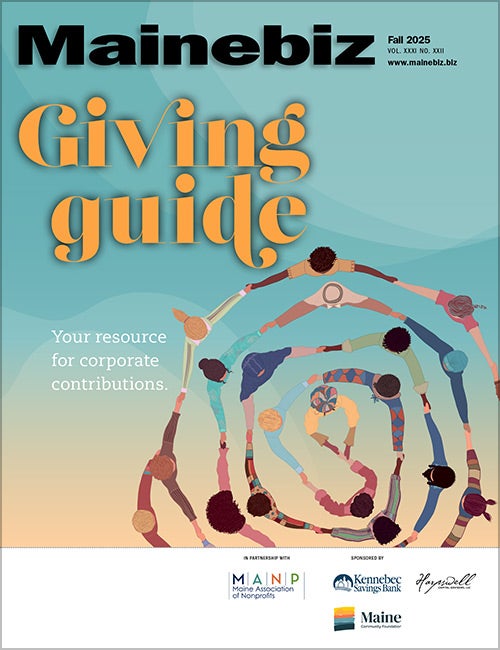
The Giving Guide helps nonprofits have the opportunity to showcase and differentiate their organizations so that businesses better understand how they can contribute to a nonprofit’s mission and work.
Learn More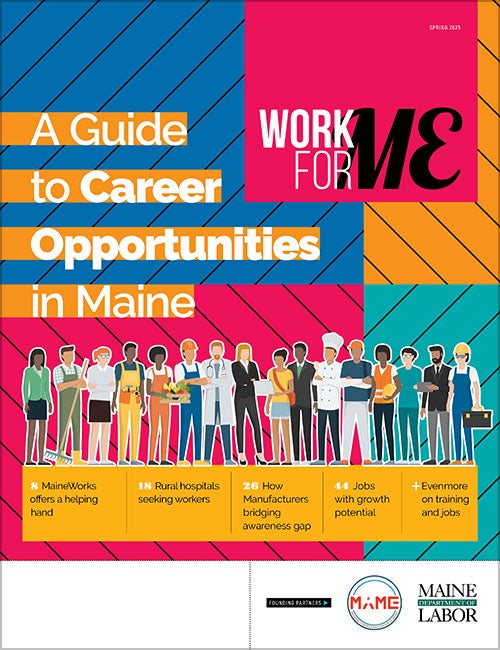
Work for ME is a workforce development tool to help Maine’s employers target Maine’s emerging workforce. Work for ME highlights each industry, its impact on Maine’s economy, the jobs available to entry-level workers, the training and education needed to get a career started.
Learn More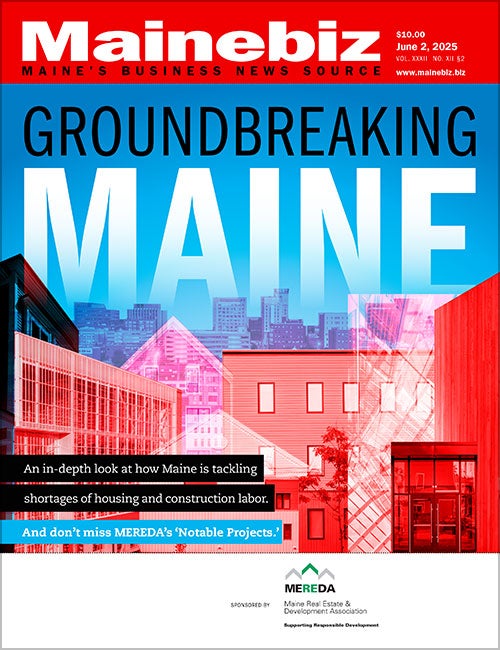
Whether you’re a developer, financer, architect, or industry enthusiast, Groundbreaking Maine is crafted to be your go-to source for valuable insights in Maine’s real estate and construction community.
Learn moreThe Giving Guide helps nonprofits have the opportunity to showcase and differentiate their organizations so that businesses better understand how they can contribute to a nonprofit’s mission and work.
Work for ME is a workforce development tool to help Maine’s employers target Maine’s emerging workforce. Work for ME highlights each industry, its impact on Maine’s economy, the jobs available to entry-level workers, the training and education needed to get a career started.
Whether you’re a developer, financer, architect, or industry enthusiast, Groundbreaking Maine is crafted to be your go-to source for valuable insights in Maine’s real estate and construction community.
In order to use this feature, we need some information from you. You can also login or register for a free account.
By clicking submit you are agreeing to our cookie usage and Privacy Policy
Already have an account? Login
Already have an account? Login
Want to create an account? Register
In order to use this feature, we need some information from you. You can also login or register for a free account.
By clicking submit you are agreeing to our cookie usage and Privacy Policy
Already have an account? Login
Already have an account? Login
Want to create an account? Register
This website uses cookies to ensure you get the best experience on our website. Our privacy policy
To ensure the best experience on our website, articles cannot be read without allowing cookies. Please allow cookies to continue reading. Our privacy policy









0 Comments