
FILE PHOTO
Patrick Woodcock, Maine State Chamber of Commerce
Please do not leave this page until complete. This can take a few moments.
Federal constraints on work permits for non-U.S. residents could cause staffing shortages, disrupt business operations and increase costs for employers, according to speakers during a recent conference.
Over the past year, changes at the federal level have included revoked work authorizations, increased processing delays for those still eligible for a work permit and shortened work permit validity periods, said Cristina Moreno, an immigration advocate with WorkPermits US.
She made her comments at a webinar convened by WorkPermits US, a program of New York City-based nonprofit Asylum Seeker Advocacy Project.
“If employees no longer have valid work authorization, the employer can no longer continue to employ them,” Moreno said
Around 4.5% of Maine's workforce is made up of immigrants who have work permits, said Moreno.
A lapse in work authorizations would undermine the state's economic growth, said Patrick Woodcock, president and CEO of the Maine State Chamber of Commerce.
With one of the lowest unemployment rates in the country, Maine’s full potential for growing its workforce comes through in-migration and through integrating authorized immigrant workers, said Woodcock.
“I've seen communities where this could be a sizable portion of their entire workforce,” he said.
For some employers, immigrant workers are a majority of their workforce, he continued.
Woodcock called for a regulatory framework that would make it easy for the current workforce to continue to participate, particularly in sectors such as the seasonal economy, seafood processing, food processing and agricultural.

Ben Conniff, co-founder of Luke's Lobster, offered insight into the seafood industry. His company processes and distributes millions of pounds of lobster every year. Many people who aren't in the seafood industry don't have a great grasp of how seafood gets from the ocean to their plates, he said.
“There are a lot of hardworking fishermen out there who go catch the fish and bring it to the dock,” Conniff said.
In the lobster industry, about 70% of the catch goes to seafood production facilities to turn out value-added products.
“And I can tell you that those facilities absolutely depend on workers from immigrant communities to do the work every single day that it takes to get lobster and other seafood from the coast of Maine to the markets that wind up paying for it,” he said.
Employers are facing an “immense administrative burden and complexity and ultimate lack of available workers” due to lapsed work permits, he said.
“You will see people in seafood production and all sorts of other production industries close their doors,” Conniff said.

He added, “That doesn't just affect those immigrant workers. It affects the American-born workers in those companies, it then reduces competition for the raw material. That means the price to fishermen at the dock goes down.”
A new federal rule that eliminates automatic permit extensions will result in job loss for immigrants and impacts on Maine businesses as they face the loss of members of their workforce, said Lisa Parisio, policy director of the Immigrant Legal Advocacy Project in Portland.
Elimination of work authorization from immigrant communities already in the U.S. “is having profound impacts on our state, and there's more on the horizon.”
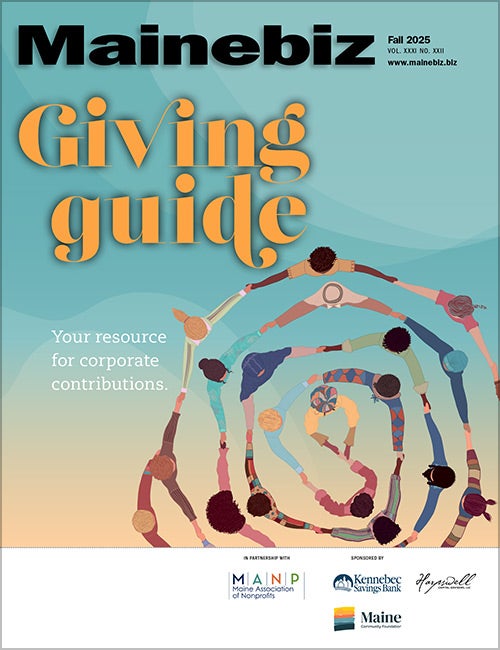
The Giving Guide helps nonprofits have the opportunity to showcase and differentiate their organizations so that businesses better understand how they can contribute to a nonprofit’s mission and work.
Learn More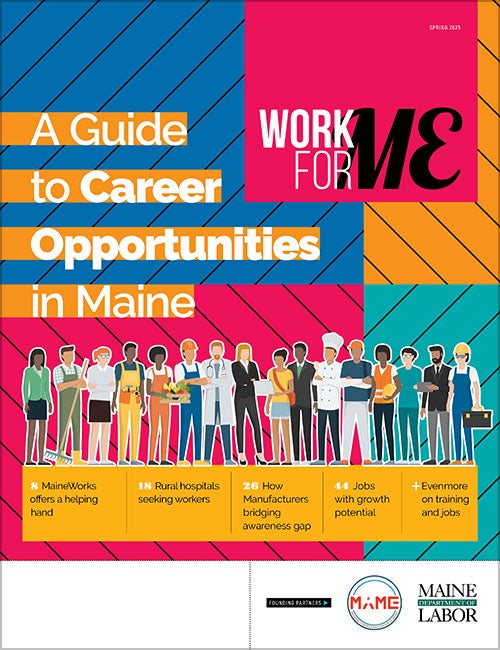
Work for ME is a workforce development tool to help Maine’s employers target Maine’s emerging workforce. Work for ME highlights each industry, its impact on Maine’s economy, the jobs available to entry-level workers, the training and education needed to get a career started.
Learn More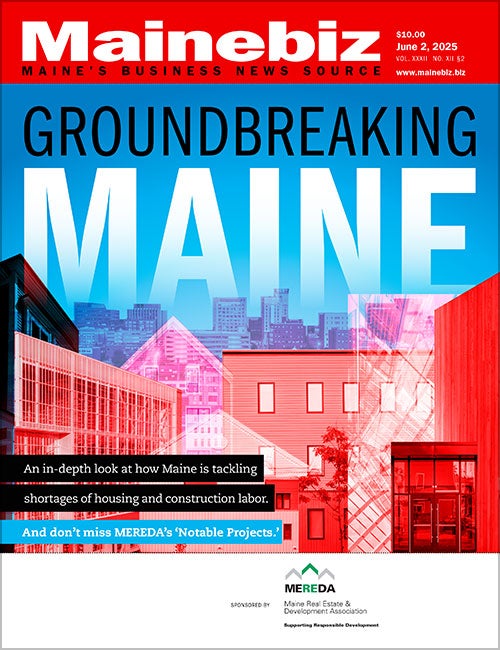
Whether you’re a developer, financer, architect, or industry enthusiast, Groundbreaking Maine is crafted to be your go-to source for valuable insights in Maine’s real estate and construction community.
Learn moreThe Giving Guide helps nonprofits have the opportunity to showcase and differentiate their organizations so that businesses better understand how they can contribute to a nonprofit’s mission and work.
Work for ME is a workforce development tool to help Maine’s employers target Maine’s emerging workforce. Work for ME highlights each industry, its impact on Maine’s economy, the jobs available to entry-level workers, the training and education needed to get a career started.
Whether you’re a developer, financer, architect, or industry enthusiast, Groundbreaking Maine is crafted to be your go-to source for valuable insights in Maine’s real estate and construction community.
In order to use this feature, we need some information from you. You can also login or register for a free account.
By clicking submit you are agreeing to our cookie usage and Privacy Policy
Already have an account? Login
Already have an account? Login
Want to create an account? Register
In order to use this feature, we need some information from you. You can also login or register for a free account.
By clicking submit you are agreeing to our cookie usage and Privacy Policy
Already have an account? Login
Already have an account? Login
Want to create an account? Register
This website uses cookies to ensure you get the best experience on our website. Our privacy policy
To ensure the best experience on our website, articles cannot be read without allowing cookies. Please allow cookies to continue reading. Our privacy policy









0 Comments