Processing Your Payment
Please do not leave this page until complete. This can take a few moments.
Sustainability
-
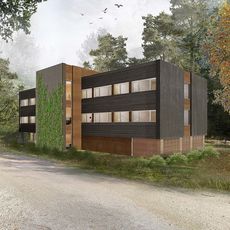
For one Maine college, it's easy being green
October 28, 2022The campus at College of the Atlantic includes a passive house academic center and dormitory featuring mass-timber construction, wood-fiber insulation and sustainable energy.
October 28, 2022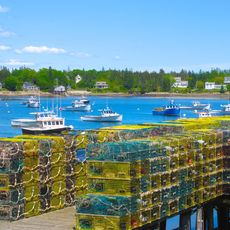
Support surfaces for troubled lobster industry
October 27, 2022A donation to Save Maine Lobstermen by Machias Savings Bank comes after a federal court agreed to expedite an appeal to reverse a plan that could close the industry.
October 27, 2022
Resist, accept or direct? Climate change scientist to study adaptation strategies in Acadia
October 19, 2022A new resist-accept-redirect framework is designed to help evaluate climate change adaptation strategies.
October 19, 2022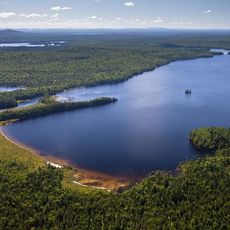
Penobscot River mercury cleanup will cost at least $187 million
October 12, 2022The settlement follows multiple studies and will include removing contaminated sediment and 30 to 45 years of monitoring.
October 12, 2022
Lobstermen to feds: Accelerated whale plan ‘devastating’ to communities
September 30, 2022An accelerated timeline with a 90% risk reduction target will wipe out the fishery, fishermen said. “There’s only so many greeters at Walmart,” said one industry leader.
September 30, 2022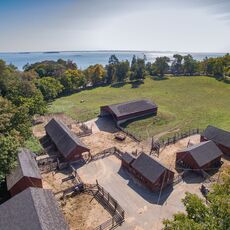
Contractor shortages, increased costs push out fundraising goals for midcoast farms
September 27, 2022The goal of the $3 million campaign is to provide critical new infrastructure and equipment. But there were challenges in attracting bids and securing a contractor.
September 27, 2022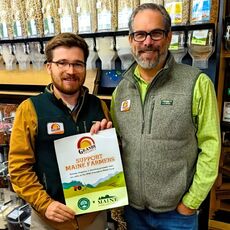
With Common Ground fair kicking off, food producers announce plans for PFAS relief fund
September 22, 2022Money will go toward testing, short-term income replacement, and infrastructure adaptations to help PFAS-impacted farms remain viable.
September 22, 2022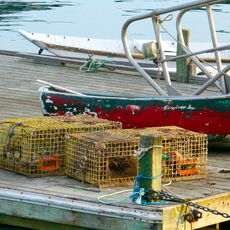
Lobster association appeals court decision favoring federal whale plan
September 19, 2022“There has never been a known right whale mortality associated with Maine lobster gear,” said one industry leader.
September 19, 2022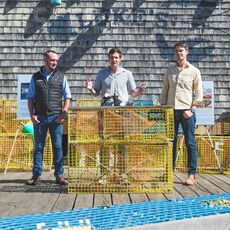
First-ever lobster supply chain CO2 study shows lower emissions than other proteins
September 16, 2022The study shows the supply chain starts with a product that’s more carbon-friendly than land-based proteins.
September 16, 2022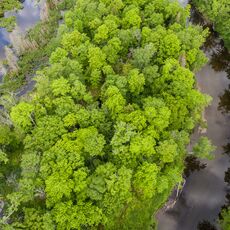
Appalachian Mountain Club buys 27,000-acre Piscataquis County forest for $18.5M
September 15, 2022Acquisition of the 27,000-acre forest Pleasant River Headwaters Forest in Piscataquis County is expected to preserve outdoor recreation and forestry industry opportunities as well as habitat.
September 15, 2022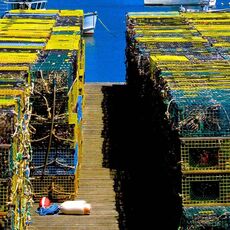
Mills: Lobster industry needs more time to weigh in on right whale protections
September 14, 2022Gov. Janet Mills criticized the feds' process, saying “it is unconscionable for NOAA to only hold a single public hearing" on the proposed measures.
September 14, 2022Marketing group launches petition to remove lobster from ‘avoid’ list
September 12, 2022The group said the updated listing “is counterproductive to decades of proactive efforts made by the fishery.”
September 12, 2022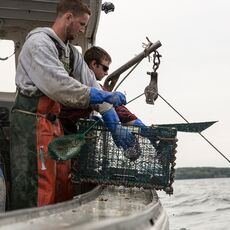
Red’s Eats launches fundraising challenge for lobster industry
September 7, 2022The industry directly employs about 10,000 people and interacts with other sectors such as real estate, hotels, restaurants and trucking companies.
September 7, 2022
$1.4M raised to conserve swath of woodland on Hancock County mountain
Updated: August 17, 2022The conservation project is expected to enhance recreation and hunting opportunities across the 336-acre parcel.
Updated: August 17, 2022
EV rental business launches in Bar Harbor
Updated: August 15, 2022The battery-powered vehicles, developed in the 1990s, aim to provide an easy-to-maneuver, carbon-free, quiet experience of Acadia National Park.
Updated: August 15, 2022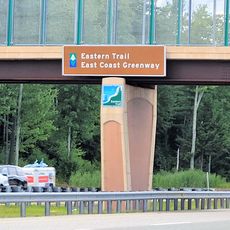
Eastern Trail brings national kudos, and growing dollars, to southern Maine
Updated: August 24, 2022The trail was inducted this month into the Rail-Trail Hall of Fame, a group of only 35 other former railroad corridors honored for the economic value and other benefits they now bring as recreational space.
Updated: August 24, 2022
Most Recent