
Photo / Courtesy of KMA Human Resources
Chelsea Livingston
Please do not leave this page until complete. This can take a few moments.
As we head into 2026, the talent landscape is shifting in ways that will challenge even the most seasoned business leaders.
For Maine organizations, where strong community ties and resourcefulness are part of the culture, staying ahead of these trends will be critical to meeting growth goals and maintaining a competitive advantage.
Here’s what you need to prepare for.
Artificial intelligence will continue to play a role in recruiting, particularly for writing-intensive tasks like job postings and candidate communications. However, the trend is moving away from fully automated sourcing and screening. Recruiters and hiring managers will need to double down on building authentic connections.
Candidates want to feel valued rather than processed and businesses that prioritize empathy, employee well-being and clear growth paths will stand out. In Maine’s tight-knit business environment, this human-centered approach can be a powerful differentiator.
The days of requiring advanced degrees for most roles are fading. In 2026, practical skills and growth potential will outweigh formal credentials. Companies are increasingly using skills assessments during interviews to gauge real-world capabilities.
This is an opportunity to tap into nontraditional talent pools — think career changers, vocational graduates and those with hands-on skills. This approach not only broadens your candidate base but also fosters diversity of thought and experience.
Recruiting doesn’t stop at the offer letter. Career development, recognition and purpose, alongside competitive pay and meaningful perks, will be key to keeping talent engaged.
Creating pathways for advancement and fostering a sense of mission that resonates with employees’ values creates a foundation for long-term success — for your team members and your business alike.
With hiring projected to remain at its lowest point in 15 years, many organizations are taking a more discreet approach to filling critical roles. Quiet hiring — tapping internal talent and trusted networks — can help identify high-potential candidates while creating opportunities for internal mobility and upskilling.
Working with experienced recruiting partners can provide guidance, broaden your reach through established connections and help ensure the process is efficient, confidential and focused on long-term success.
‘Fake’ candidates: Generative AI and deep-fake technology are making it easier for fraudsters to create fake resumes and even impersonate candidates during virtual interviews. More alarming, some hires turn out not to be the person who interviewed for the job. This can lead to serious security and compliance issues, plus wasted time and resources.
Train your team to spot red flags like unnatural eye movements, audio delays or overly polished responses. Incorporate personal questions that require real-life anecdotes, such as “Where do you like to go for coffee?” Those are harder for impostors to fake.
Rising benefit pressures: Inflation pressures, shifting demographics and the scheduled end of enhanced Affordable Care Act subsidies are among the factors driving sharp increases in insurance premiums and out-of-pocket costs.
Candidates are paying attention. Optimize your benefits package and communicate their value clearly. Consider tiered health plans, concierge or advocacy services and mental health and wellness resources. Flexibility, like remote or hybrid work options, will continue to remain a top priority.
Recruiting in 2026 will require Maine business leaders to be both strategic and human-centered.
By combining cutting-edge tools with authentic relationships, focusing on skills over credentials and addressing emerging challenges head-on, you’ll position your organization to attract and retain the talent you need to thrive.
Chelsea Livingston is senior manager of recruiting consulting at KMA Human Resources in Falmouth. She can be reached at chelsea@kmahr.com.
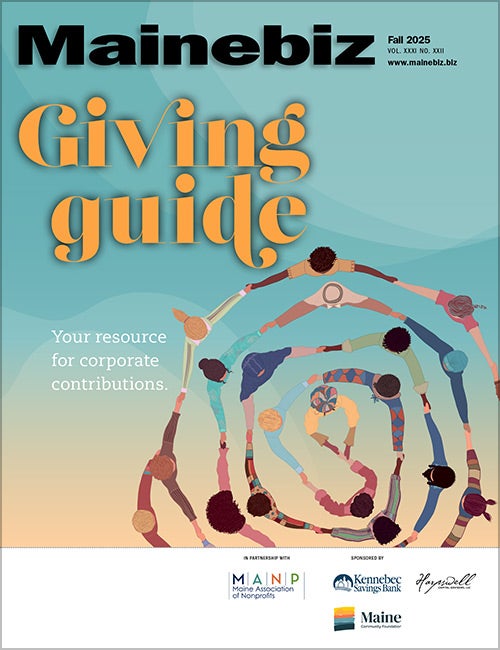
The Giving Guide helps nonprofits have the opportunity to showcase and differentiate their organizations so that businesses better understand how they can contribute to a nonprofit’s mission and work.
Learn More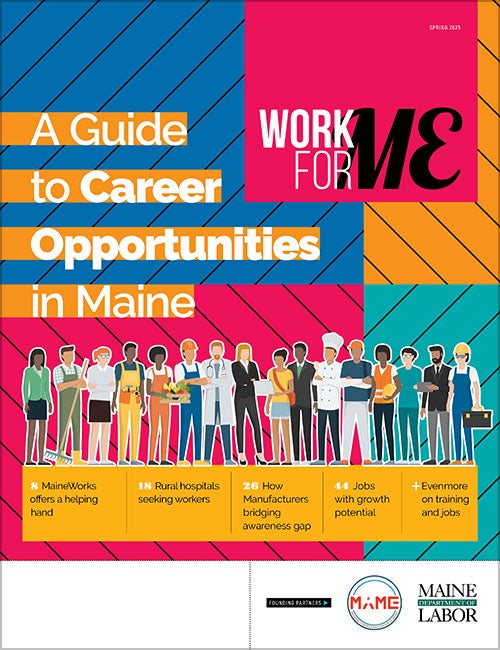
Work for ME is a workforce development tool to help Maine’s employers target Maine’s emerging workforce. Work for ME highlights each industry, its impact on Maine’s economy, the jobs available to entry-level workers, the training and education needed to get a career started.
Learn More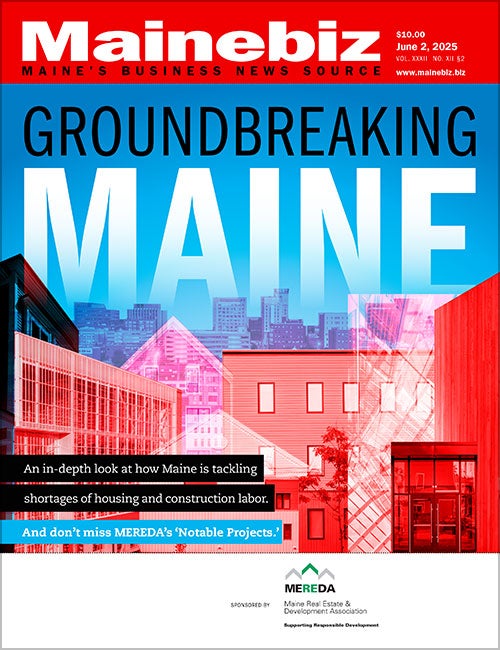
Whether you’re a developer, financer, architect, or industry enthusiast, Groundbreaking Maine is crafted to be your go-to source for valuable insights in Maine’s real estate and construction community.
Learn moreThe Giving Guide helps nonprofits have the opportunity to showcase and differentiate their organizations so that businesses better understand how they can contribute to a nonprofit’s mission and work.
Work for ME is a workforce development tool to help Maine’s employers target Maine’s emerging workforce. Work for ME highlights each industry, its impact on Maine’s economy, the jobs available to entry-level workers, the training and education needed to get a career started.
Whether you’re a developer, financer, architect, or industry enthusiast, Groundbreaking Maine is crafted to be your go-to source for valuable insights in Maine’s real estate and construction community.
In order to use this feature, we need some information from you. You can also login or register for a free account.
By clicking submit you are agreeing to our cookie usage and Privacy Policy
Already have an account? Login
Already have an account? Login
Want to create an account? Register
In order to use this feature, we need some information from you. You can also login or register for a free account.
By clicking submit you are agreeing to our cookie usage and Privacy Policy
Already have an account? Login
Already have an account? Login
Want to create an account? Register
This website uses cookies to ensure you get the best experience on our website. Our privacy policy
To ensure the best experience on our website, articles cannot be read without allowing cookies. Please allow cookies to continue reading. Our privacy policy










0 Comments