
Provided photo
Kim Donnelly, Maine Community Bank
Please do not leave this page until complete. This can take a few moments.
Owning a business is never about just earning a living. For many families, the business becomes a source of identity, pride and long-term security.
After decades of working with Maine entrepreneurs, I have seen how much of themselves owners pour into their companies, and how often the planning that helps a business endure gets pushed aside in the rush of daily work.
A lasting business legacy takes foresight. Think of legacy as maximizing the value of the business and keeping your future options open. It comes from the decisions you make now, the structure you build and the clarity you bring to what you want the next chapter to look like. Whether you hope to pass the company to family, transition it to employees, prepare it for sale, or use it to support future generations, early planning makes an enormous difference.
Here is a practical roadmap for business owners.
Every owner has a personal definition of success. Some picture their children running the business. Others imagine an employee-led future such as an ESOP. Others want to position the company for a sale or simply keep it healthy so it can support the next generation.
Being clear about your long-term goal guides everything from reinvestment decisions to hiring to leadership development. Most owners have a large share of their personal wealth tied to their company. Think of the business as your key financial asset. Strengthen it, protect it, and design it so it can function without depending entirely on you.
Write things down. Document core processes, financial practices, customer relationships, and operational knowledge. A well-documented business is easier to run, easier to value, and far easier to hand off when the time comes.
Build a team of trusted advisors: From a CPA to an estate attorney to investment advisors, it’s critical to surround yourself with experts you trust to make navigating this process at every stage a lot easier.
Start succession planning early, even if stepping back feels far away. Whether your successor will be a family member, a key employee, or an outside buyer, preparation gives you options and adds value. Ideally, begin this process 5 to 10 years before your target date to step back.
Hold ownership or advisory meetings on a regular schedule, even if the group is small. Clarify roles and how decisions get made. Introduce the next generation, whether family or employees, to the financial and operational side of the business.
Review your plan every year. Markets move, families change and laws evolve. A brief annual update keeps your plans current and avoids being caught off guard.
The overlap between family and business creates risks that deserve early attention.
Common issues include:
Maintain liquidity outside the business, whether in cash, investments or well-structured insurance. This allows you to cover taxes, buyouts or emergencies without selling the company under pressure.
Use trusts, buy-sell agreements and a structure to guide future transfers and shield assets.
Consider including philanthropy in your long-term plan. A donor-advised fund or small family foundation can reinforce shared values and create a sense of continuity across generations.
A business that continues beyond the founder does not happen on its own. It takes the same discipline and focus that helped you build it in the first place, along with a willingness to plan ahead. Starting now makes the future smoother for your family, your employees, and the community that has supported the business.
Set the conversations in motion. Organize the systems. Put the right protections in place. With steady, thoughtful planning, your business can keep creating opportunity long after you step back from day-to-day leadership.
You built something meaningful. With some planning and clarity, you can help it last.
Kim Donnelly is chief client development officer at Maine Community Bank. She provides strategic direction for cash management services, residential and consumer lending, as well as the Bank’s wealth management division. She also oversees the bank’s partnership with Bigelow Investment Advisors. Kim can be reached at kdonnelly@maine.bank
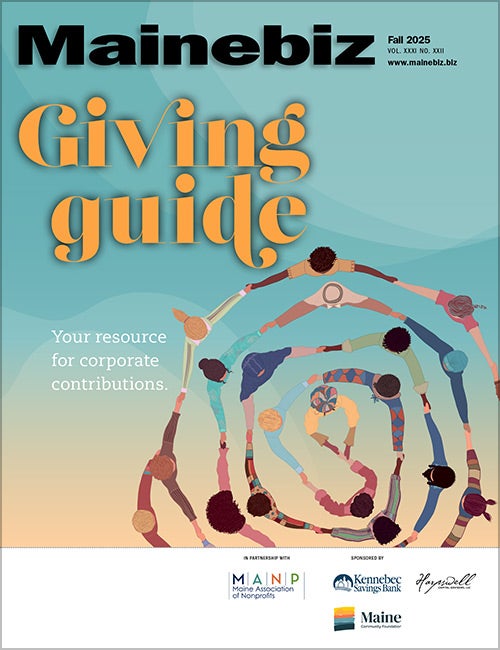
The Giving Guide helps nonprofits have the opportunity to showcase and differentiate their organizations so that businesses better understand how they can contribute to a nonprofit’s mission and work.
Learn More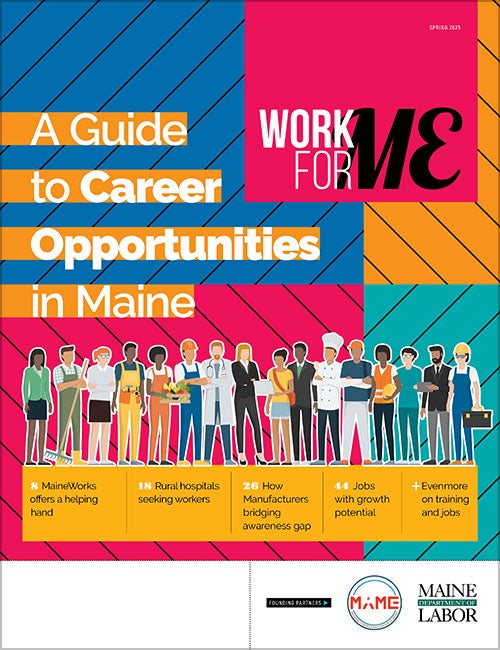
Work for ME is a workforce development tool to help Maine’s employers target Maine’s emerging workforce. Work for ME highlights each industry, its impact on Maine’s economy, the jobs available to entry-level workers, the training and education needed to get a career started.
Learn More
Whether you’re a developer, financer, architect, or industry enthusiast, Groundbreaking Maine is crafted to be your go-to source for valuable insights in Maine’s real estate and construction community.
Learn moreThe Giving Guide helps nonprofits have the opportunity to showcase and differentiate their organizations so that businesses better understand how they can contribute to a nonprofit’s mission and work.
Work for ME is a workforce development tool to help Maine’s employers target Maine’s emerging workforce. Work for ME highlights each industry, its impact on Maine’s economy, the jobs available to entry-level workers, the training and education needed to get a career started.
Whether you’re a developer, financer, architect, or industry enthusiast, Groundbreaking Maine is crafted to be your go-to source for valuable insights in Maine’s real estate and construction community.
In order to use this feature, we need some information from you. You can also login or register for a free account.
By clicking submit you are agreeing to our cookie usage and Privacy Policy
Already have an account? Login
Already have an account? Login
Want to create an account? Register
In order to use this feature, we need some information from you. You can also login or register for a free account.
By clicking submit you are agreeing to our cookie usage and Privacy Policy
Already have an account? Login
Already have an account? Login
Want to create an account? Register
This website uses cookies to ensure you get the best experience on our website. Our privacy policy
To ensure the best experience on our website, articles cannot be read without allowing cookies. Please allow cookies to continue reading. Our privacy policy










0 Comments