
Photo / Tim Greenway
Nancy Marshall
Please do not leave this page until complete. This can take a few moments.
Procrastination is one of those habits we all recognize in ourselves, yet somehow excuse. We complain about how busy we are. We commiserate with colleagues about overloaded schedules. We answer emails, attend meetings, scroll our phones and check social media — while quietly avoiding the one or two big projects that would actually move us closer to our goals.
The truth is, procrastination rarely looks like laziness. More often, it disguises itself as productivity. We do the small, easy, familiar tasks because they feel manageable and give us a quick sense of accomplishment.
Meanwhile, the big, meaningful work — strategy, planning, writing, business development —gets pushed to “later.”
And later often never comes.
Big projects can feel overwhelming. They require focus, sustained effort and sometimes uncomfortable thinking. They also carry risks: What if it doesn’t turn out well? What if we invest the time and don’t see immediate results? So instead, we talk about how much work we have. We bond over stress. We complain, ironically spending more time talking about the work than actually doing it.
Here’s the hard truth: complaining is a form of procrastination. It gives us the illusion that we’re addressing the problem, when in fact we’re just circling around it.
We also need to talk about devices, because they have fundamentally changed how our brains work. I can say this honestly: my brain has been rewired by my phone. And I don’t think I’m alone.
Our phones are engineered to reward distraction. Social media, email, texts, news alerts deliver constant stimulation in bite-sized hits. When a task feels difficult or dull, it is far easier to scroll than to think deeply. The phone offers instant relief from discomfort, boredom or uncertainty.
As if social media weren’t tempting enough, artificial intelligence has made our phones and devices even more irresistible. Yes, this includes tools like ChatGPT, Gemini, Claude and Perplexity.
AI is powerful, helpful and genuinely transformative. It can save time, spark ideas and remove friction from many tasks. But it also makes distraction feel productive. We can research endlessly, brainstorm forever and refine ideas repeatedly — without ever doing the work itself.
AI doesn’t create procrastination, but it certainly enables it. The responsibility remains ours to decide when technology is serving our goals or when it’s simply helping us delay them.
As we head into 2026, this is the perfect moment to break the cycle. Rather than adding more goals to your list, start by eliminating one thing: chronic procrastination.
Identify your “big rocks,” which are the projects that truly matter. Stop talking about them and start them, even if only for ten minutes. Control your devices instead of letting them control you. Silence notifications, set boundaries and create space for focus.
Pay attention to your energy patterns. Productivity isn’t one-size-fits-all. Personally, I find my most productive window is between 4 and 5 p.m., when I get a second wind at the end of the day. Knowing this allows me to schedule important work when I’m naturally energized.
Finally, remember that progress beats perfection. Big goals are achieved through consistent action, not endless preparation. If you want 2026 to be different, put down the phone, stop complaining and start doing. Your future self will thank you.
Nancy Marshall, a regular Mainebiz columnist, is CEO of Marshall Communications.
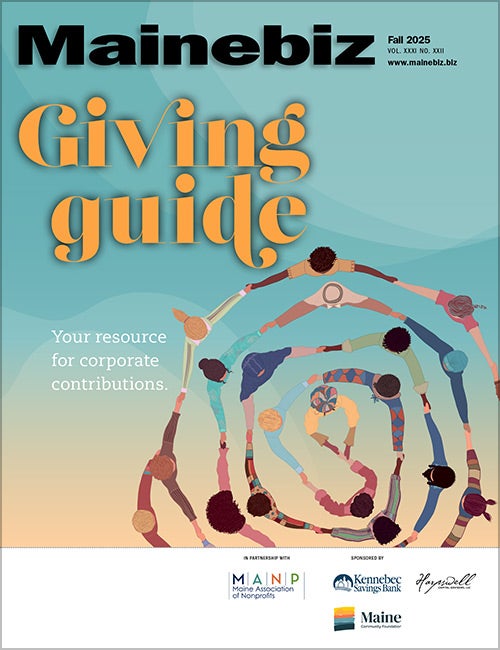
The Giving Guide helps nonprofits have the opportunity to showcase and differentiate their organizations so that businesses better understand how they can contribute to a nonprofit’s mission and work.
Learn More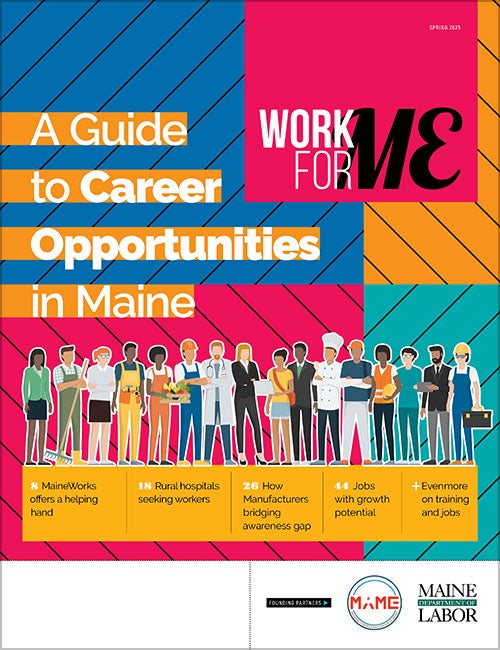
Work for ME is a workforce development tool to help Maine’s employers target Maine’s emerging workforce. Work for ME highlights each industry, its impact on Maine’s economy, the jobs available to entry-level workers, the training and education needed to get a career started.
Learn More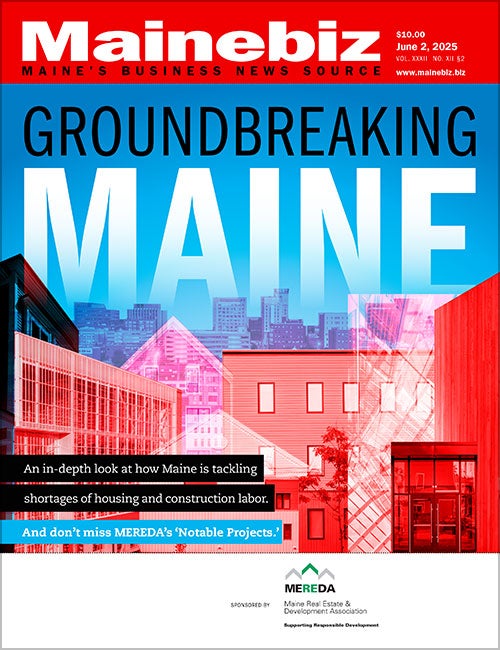
Whether you’re a developer, financer, architect, or industry enthusiast, Groundbreaking Maine is crafted to be your go-to source for valuable insights in Maine’s real estate and construction community.
Learn moreThe Giving Guide helps nonprofits have the opportunity to showcase and differentiate their organizations so that businesses better understand how they can contribute to a nonprofit’s mission and work.
Work for ME is a workforce development tool to help Maine’s employers target Maine’s emerging workforce. Work for ME highlights each industry, its impact on Maine’s economy, the jobs available to entry-level workers, the training and education needed to get a career started.
Whether you’re a developer, financer, architect, or industry enthusiast, Groundbreaking Maine is crafted to be your go-to source for valuable insights in Maine’s real estate and construction community.
In order to use this feature, we need some information from you. You can also login or register for a free account.
By clicking submit you are agreeing to our cookie usage and Privacy Policy
Already have an account? Login
Already have an account? Login
Want to create an account? Register
In order to use this feature, we need some information from you. You can also login or register for a free account.
By clicking submit you are agreeing to our cookie usage and Privacy Policy
Already have an account? Login
Already have an account? Login
Want to create an account? Register
This website uses cookies to ensure you get the best experience on our website. Our privacy policy
To ensure the best experience on our website, articles cannot be read without allowing cookies. Please allow cookies to continue reading. Our privacy policy









0 Comments